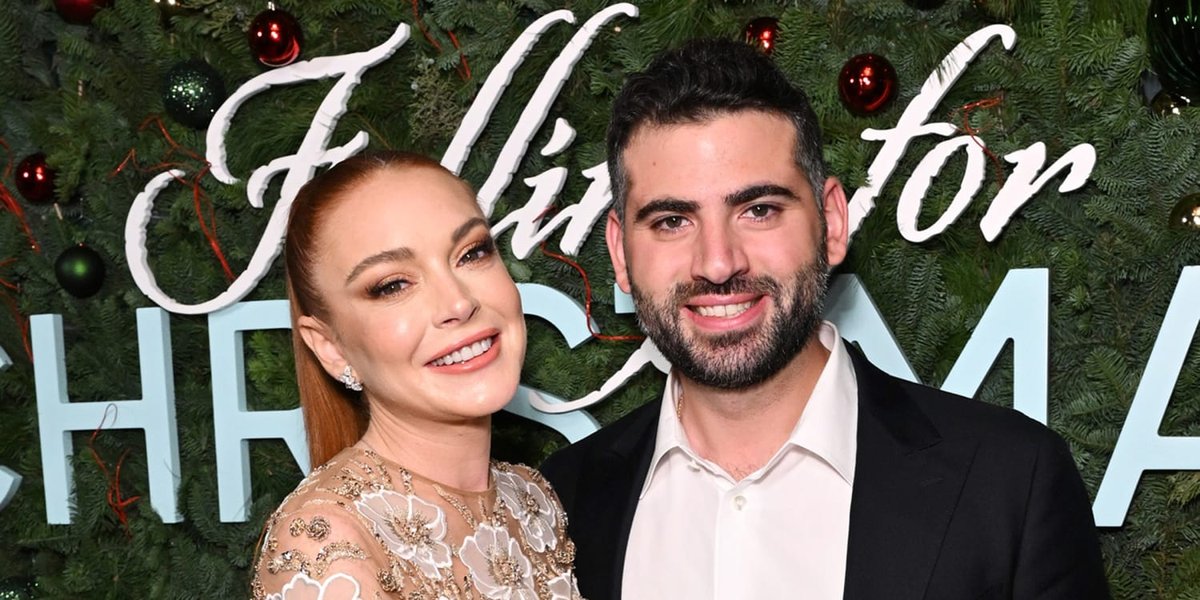
The arc of Lindsay Lohan's career isn't just a personal story; it's a fascinating prism through which we can examine Lindsay Lohan's Influence & Legacy: Impact on Pop Culture. From child star phenomenon to tabloid lightning rod and now a celebrated return, her journey has undeniably shaped how we view fame, media, and the very concept of a "second act" in Hollywood.
It’s a narrative woven into the fabric of the early 2000s, punctuated by iconic movie moments, chart-topping hits, and a very public struggle under an unforgiving media gaze. But what exactly defines her enduring imprint, and why does her story continue to captivate us? Let’s dive in.
At a Glance: Lindsay Lohan's Enduring Mark
- From Child Star to "It Girl": Lohan cemented her status as a relatable talent with "The Parent Trap" and became a cultural touchstone with "Mean Girls," influencing fashion and creating enduring catchphrases.
- The Media Firestorm: Her personal struggles became a prime example of the "celebrity trainwreck" narrative, highlighting the aggressive paparazzi culture and the psychological toll of constant scrutiny.
- A Symbol of Resilience: Lohan's comeback projects, marriage, and motherhood signal a powerful narrative of rebuilding and reclaiming agency in the face of immense public pressure.
- Shaping Modern Conversations: Her journey serves as a crucial case study for discussions around media ethics, mental health, celebrity privacy, and the possibility of redemption in the digital age.
- Lasting Cultural Footprint: Beyond her personal story, her work continues to influence fashion, film vernacular, and our understanding of Hollywood's unique pressures.
From Prodigy to Pop Culture Phenom: The Rise of an "It Girl"
Before the world knew her name, Lindsay Lohan was already a seasoned professional. Her career began as a Ford model at the tender age of three, gracing campaigns for major brands. But it was her dual role as mischievous twins Hallie Parker and Annie James in Disney's 1998 remake of "The Parent Trap" that truly catapulted her into the public consciousness. She was a natural, embodying an undeniable charisma and a relatable quality that immediately endeared her to audiences. This early success set the stage for what many believed would be a smooth ascent to superstardom.
Child Star Genesis: "The Parent Trap" & Relatability
"The Parent Trap" wasn't just a successful film; it was a masterclass in child acting that showcased Lohan's precocious talent. She effortlessly navigated two distinct British and American accents, conveying genuine emotion and comedic timing that belied her age. Audiences saw in her a vibrant, authentic kid—a stark contrast to the often overly polished child stars of yesteryear. This foundational role established a connection with a generation, making her feel less like a distant celebrity and more like a beloved friend on screen. She was the girl next door, albeit one who could flawlessly pull off an elaborate international twin swap.
"Mean Girls" and the Mid-2000s Zeitgeist
If "The Parent Trap" introduced Lindsay Lohan, "Mean Girls" (2004) cemented her as the undeniable "it girl" of the mid-2000s. Written by Tina Fey and directed by Mark Waters, the film wasn't just a comedy; it was a cultural phenomenon that satirized high school cliques with razor-sharp wit. As Cady Heron, Lohan perfectly captured the awkward transition from homeschooled African savanna explorer to navigating the cutthroat hierarchy of North Shore High.
The film's impact was immediate and long-lasting. Its quotable lines—"On Wednesdays we wear pink," "You can’t sit with us," "She doesn’t even go here!"—became instant vernacular, infiltrating playgrounds, social media, and everyday conversations for years to come. "Mean Girls" wasn't just a movie; it was a lifestyle guide, a cultural barometer, and an undeniable force that still resonates today. You can still feel the enduring cultural impact of Mean Girls in memes and fashion trends decades later. The movie also solidified Lohan's status as a fashion icon, with her character's outfits influencing countless teens. Her plaid skirts, graphic tees, and early-aughts glam became aspirational looks, demonstrating her ability to not only act but also dictate trends.
A Brief Foray into Music: "Speak" and "A Little More Personal (Raw)"
Beyond her acting prowess, Lohan also ventured into the music industry, releasing two studio albums: "Speak" (2004) and "A Little More Personal (Raw)" (2005). "Speak" produced the hit single "Rumors," a defiant track that directly addressed the burgeoning media scrutiny she was facing. The album went platinum, showcasing her vocal talent and ability to connect with fans through another medium.
"A Little More Personal (Raw)" followed, offering a deeper, more introspective look into her life, as the title suggested. While not as commercially successful as its predecessor, it further demonstrated her desire to express herself creatively beyond the silver screen and to grapple with the growing pressures of her fame in a very public way. For many fans, these albums provided a raw, unfiltered glimpse into the struggles bubbling beneath the surface of her "it girl" facade.
The Unraveling in the Spotlight: Fame's Double-Edged Sword
As the 2000s progressed, the narrative surrounding Lindsay Lohan took a dramatic turn. The playful image of the child star and the charming "it girl" began to crack under the relentless pressure of constant public scrutiny. Her personal life, once guarded, became fodder for an increasingly aggressive media machine.
The Tabloid Hurricane: Personal Struggles and Legal Troubles
Beginning in the late 2000s, Lohan's name became synonymous with tabloid headlines. Her struggles with addiction, legal troubles, and tumultuous relationships were front-page news, fueling a ravenous public appetite for celebrity scandal. Paparazzi hounded her every move, capturing unflattering photos and creating a narrative of a young star spiraling out of control. Each misstep, perceived or real, was amplified, turning her private battles into public spectacles.
This period was a stark demonstration of the destructive power of unchecked fame and the media's capacity to dissect and sensationalize every aspect of a celebrity's life. The once-relatable star was now painted as a cautionary tale, a symbol of Hollywood's darker side.
Media's Role in the "Celebrity Trainwreck" Narrative
Lohan's story became a prominent example of the "celebrity trainwreck" narrative that dominated media cycles of the era. This phenomenon was driven by several factors:
- Aggressive Paparazzi Culture: Photographers became increasingly invasive, blurring ethical lines to capture compromising images. Their presence created a constant state of anxiety for celebrities, turning everyday outings into high-stakes encounters.
- Digital Media and the 24/7 News Cycle: The rise of online gossip blogs and constant news updates meant that any piece of information, no matter how speculative, could be disseminated globally within minutes. This created an insatiable demand for content, often at the expense of accuracy or empathy.
- "Shit-Kicking" Journalism: A strain of reporting emerged that actively sought out flaws and exploited vulnerabilities, transforming personal struggles into public entertainment. This type of journalism thrived on creating dramatic narratives of downfall.
- Psychological Toll of Extreme Fame: For Lohan, and many others, this relentless onslaught took a profound psychological toll. Living under a microscope, with every mistake magnified and judged by millions, is an immense burden that few are equipped to handle, especially at a young age. This era truly highlighted how paparazzi culture has evolved to its most intrusive and damaging form.
Questioning Media Ethics and Celebrity Vulnerability
Lohan's public struggles ignited broader conversations about media ethics and celebrity vulnerability. Critics began to question the responsibility of media outlets in their pursuit of sensationalism. Was it ethical to profit from someone's personal pain? What responsibility did the public have in consuming such content?
Her experience underscored the fact that while celebrities live privileged lives, they are still human beings susceptible to the same pressures and struggles as anyone else, but with the added burden of doing so in the relentless glare of the world. Her plight served as a powerful, albeit tragic, case study in the extreme psychological toll of extreme fame, forcing a reckoning with the boundaries of privacy and public interest.
The Long Road Back: Resilience, Redemption, and Reclaiming the Narrative
In recent years, Lindsay Lohan has quietly and deliberately embarked on a journey of rebuilding her career and public image. It's a testament to her resilience, a conscious effort to move beyond the "celebrity trainwreck" label and redefine her narrative on her own terms.
Rebuilding a Career: "Falling for Christmas" and Reality TV
Her return to the spotlight has been strategic and often warmly received by a new generation of fans, as well as those who grew up with her. One notable recent project is the Netflix romantic comedy "Falling for Christmas" (2022), which marked her return to leading lady status in a major film. The movie was a charming, family-friendly vehicle that showcased her comedic timing and undeniable screen presence, proving she could still carry a film with ease. Its success signaled a genuine desire from audiences to see her thrive again.
Before that, Lohan also dipped her toes into reality television with "Lindsay Lohan’s Beach Club" (2019), offering a glimpse into her life managing a club in Mykonos. While short-lived, it was another step in a public reintroduction, allowing audiences to see a more mature and business-savvy side of her. Her journey is a reminder that there are other incredible celebrity comeback stories in Hollywood, but hers is particularly poignant.
New Ventures: Film, Music, Fashion
Lohan's comeback isn't just about one-off projects; it's about a sustained effort to diversify her career. She is reportedly involved in several new film projects, signaling a more consistent return to acting. Excitement is also brewing among fans for potential new music releases, especially given the nostalgic buzz around her previous hits like "Rumors." The prospect of her returning to the studio hints at a desire to revisit and evolve her artistic expressions.
Beyond entertainment, Lohan has also engaged in fashion collaborations, leveraging her long-standing influence as a style icon. These ventures demonstrate a multifaceted approach to her career, moving beyond acting to embrace her broader brand appeal.
Finding Stability: Marriage, Motherhood, and a New Chapter
Perhaps the most significant aspect of Lohan's current chapter is the newfound stability in her personal life. Her marriage to Bader Shammas and the recent birth of their baby boy signal a profound shift towards personal contentment and a sense of grounding. This personal peace has undoubtedly contributed to her professional resurgence, allowing her to approach her work with renewed focus and a healthier perspective.
Her engagement with newer media platforms, such as social media, also allows her to connect with audiences more directly, bypassing traditional gatekeepers and crafting her own narrative. This direct connection offers a more authentic glimpse into her life, moving away from the often-distorted portrayals of the past.
Lohan's Lasting Echo: Shaping Broader Cultural Conversations
Lindsay Lohan’s journey is more than just a personal odyssey of fame and redemption; it’s a living, breathing case study that continually influences broader conversations within pop culture, media, and society at large.
A Case Study in Hollywood's Pressures and Second Chances
Her career trajectory serves as an unparalleled example of the immense pressures of the spotlight. From being an adored child star to facing unprecedented media scrutiny, her life has vividly illustrated the unique challenges faced by those who grow up in front of the camera. She's a poster child for the idea that talent alone isn't enough to navigate the choppy waters of extreme fame, especially for the unique pressures faced by child stars in Hollywood.
Moreover, her successful return to the public eye, marked by professional triumphs and personal stability, offers a powerful narrative about second chances. Hollywood, notoriously fickle, is often quick to discard those who falter. Lohan’s ability to rebuild her career and public image challenges this cynical view, suggesting that with resilience, self-work, and time, redemption is possible, even under the harshest scrutiny.
Privacy, Mental Health, and the Human Cost of Fame
The period of Lohan's most intense public struggles forced a global conversation about the lines between public interest and personal privacy. Her experiences laid bare the devastating impact of aggressive paparazzi and invasive journalism, prompting many to consider the complex landscape of media ethics and celebrity privacy. What rights do celebrities have to a private life? How does constant surveillance impact mental well-being?
Her story has become intertwined with the growing awareness of mental health challenges within the entertainment industry. It highlighted the fact that fame does not inoculate individuals from personal struggles; in fact, it often exacerbates them. Lohan's vulnerability, albeit unwillingly exposed at times, contributed to a broader societal shift towards destigmatizing conversations around mental health and addiction, demonstrating the very real human cost of living under a constant, critical gaze.
The Power of Reinvention and Direct Audience Engagement
In the age of social media, Lohan's strategic use of platforms to connect directly with her audience is a masterclass in modern celebrity management. By sharing curated glimpses into her life and career, she bypasses the traditional media filters that once distorted her image. This direct engagement allows her to control her narrative, fostering a more authentic connection with fans who have followed her for decades or are just discovering her work.
Her journey showcases the evolving relationship between celebrities and their audience, where authenticity and direct communication are increasingly valued. It’s a powerful lesson in how to reinvent a public persona, not by erasing the past, but by integrating it into a narrative of growth and self-discovery.
Beyond the Headlines: The Indelible Mark on Fashion, Film, and Language
Even beyond the dramatic ebb and flow of her personal story, Lindsay Lohan's influence is palpably felt in the very fabric of pop culture – from the clothes we wore to the words we speak.
Style Icon Status: From Plaid Skirts to Modern Chic
From her "Mean Girls" era, Lohan was an undisputed fashion trendsetter. The preppy-punk aesthetic of her early career – think mini skirts, Ugg boots, tracksuits, and chunky highlights – defined a generation's style. She could effortlessly switch from girl-next-door casual to red-carpet siren, always with an edge that felt fresh and aspirational.
Even now, as she steps into a more mature, refined phase of her life, her fashion choices are observed. Her recent pregnancy style was celebrated for its elegance and comfort, showcasing an evolution that mirrors her personal growth. She remains a figure whose sartorial choices inspire, proving her lasting impact on how we dress and present ourselves.
Quotable Legacy: "Mean Girls" Lines as Everyday Vernacular
The cultural phenomenon that is "Mean Girls" continues to bless us with an endless supply of iconic lines that have permeated everyday language. Phrases like "You go, Glen Coco!" or "She doesn't even go here!" are recognized instantly and deployed freely in conversations, memes, and online discourse.
This linguistic legacy is a rare feat, typically reserved for truly iconic films. It demonstrates how deeply Lohan, as the film's central character, embedded herself and the movie's message into the collective consciousness. It's a testament to the film's wit and her delivery that these lines continue to be so relevant and widely used decades later.
Navigating the Modern Celebrity Landscape: Lessons from Lohan's Journey
Lindsay Lohan’s career provides a unique lens through which to examine the profound shifts in media consumption and the evolving nature of celebrity itself. Her story spans a pivotal era, from pre-internet fame to the ubiquitous digital age, offering invaluable lessons on survival and adaptation.
How Media Consumption Has Shifted
When Lohan first rose to fame, traditional media—magazines, television, and newspapers—held significant sway. Her struggles coincided with the advent of the 24/7 news cycle and the explosive growth of online gossip blogs, which had an insatiable appetite for content. This era saw a dramatic acceleration in how quickly stories, often unverified, could spread.
Today, media consumption has fractured even further. Social media platforms, streaming services, and personalized news feeds mean that information is consumed in highly individualized ways. Lohan's journey highlights this evolution, showing how a public figure must adapt from managing traditional press to curating a direct, digital presence.
The Role of Social Media in Shaping Perception
For a public figure who experienced the full brunt of unchecked tabloid journalism, social media has been a transformative tool. Instead of being solely defined by paparazzi shots and sensationalized headlines, Lohan now has the power to share her own story, in her own words, and on her own terms.
Her use of platforms like Instagram allows her to control the narrative, share personal milestones (like her marriage and motherhood), and engage directly with fans. This shift empowers celebrities to bypass traditional media filters, offering a more authentic and less manipulated portrayal of their lives. It's a striking contrast to her earlier career, demonstrating how crucial it is for modern public figures to master their digital footprint. If you're curious about her journey, you can See Lindsay Lohans transformation from those early days to her current chapter.
Looking Ahead: What Lindsay Lohan's Future Holds (and Why It Matters)
Lindsay Lohan’s story is far from over. Her present stability and professional resurgence suggest a promising future, one where she continues to redefine what it means to be a resilient public figure.
The Continued Evolution of Her Brand
As a married mother, Lohan is stepping into new roles both personally and professionally. Her brand is evolving from that of a troubled young star to a more mature, relatable figure who has navigated life's challenges and emerged stronger. This evolution could open doors to new types of roles, endorsements, and creative ventures that align with her current life stage. We might see her take on more dramatic roles, explore family-oriented projects, or even delve deeper into producing.
Her career will likely continue to be a blend of nostalgia and novelty, leveraging the affection of long-time fans while attracting new audiences drawn to her journey of resilience.
Why Her Story Resonates Today
Lohan’s story resonates deeply because it taps into universal themes: the desire for acceptance, the struggle for identity, the pain of public failure, and the hope for redemption. In an increasingly polarized world, her journey offers a message of second chances and the power of personal growth.
She embodies the raw, unfiltered experience of growing up in the public eye, a phenomenon that is only becoming more common with the rise of child influencers and digital native stars. Her influence, therefore, extends beyond her individual projects; it shapes our understanding of fame itself, serving as a cautionary tale, an inspiration, and a constant reminder of the human behind the headlines.
Your Turn: Reflecting on Celebrity, Media, and Second Acts
Lindsay Lohan's impact on pop culture is multifaceted, undeniable, and still unfolding. From the infectious charisma of a child star to the undeniable cultural force of "Mean Girls," and through the challenging years under the media's harsh glare, she has left an indelible mark.
Her journey from "it girl" to tabloid fodder, and her triumphant return as a stable, thriving professional and mother, offers a powerful narrative. It compels us to consider how we, as a society, engage with celebrity, the responsibilities of the media, and the profound human capacity for resilience and reinvention. As you reflect on her story, consider: How have your own perceptions of celebrity evolved? What responsibility do we all share in shaping the narratives of public figures? Lohan’s story is a conversation starter, urging us to look beyond the headlines and appreciate the complex tapestry of a life lived in the enduring spotlight.