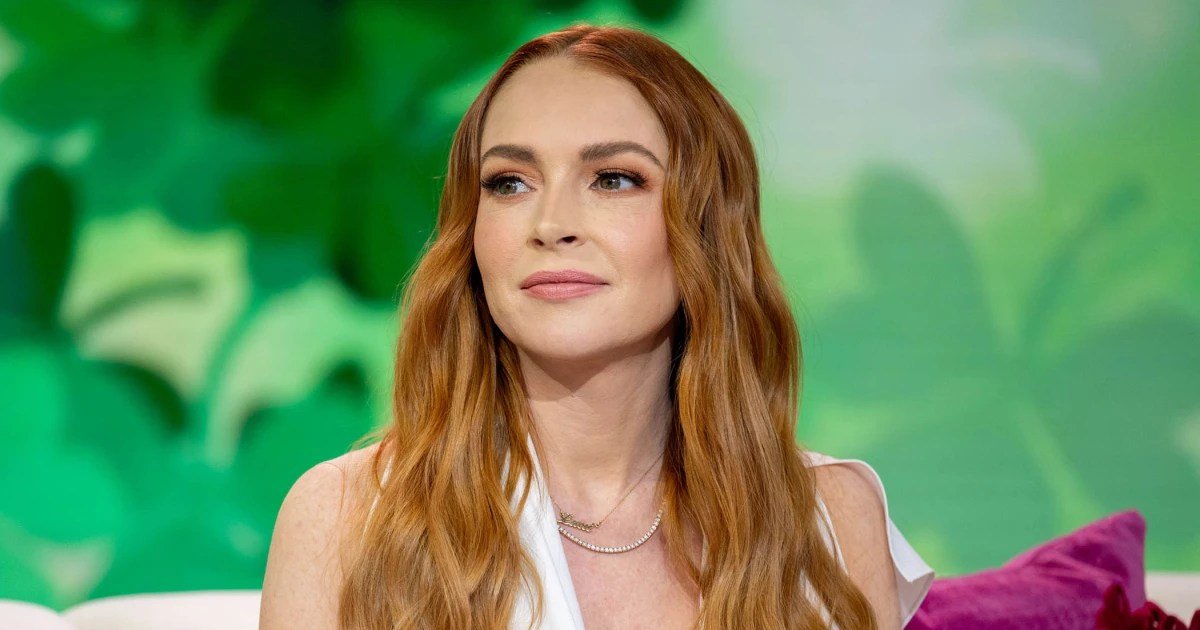
Remember the mischievous twins from The Parent Trap? Or the sharp-witted Cady Heron in Mean Girls? Lindsay Lohan burst onto the scene with a captivating charm, quickly becoming "America's Sweetheart." But somewhere along the line, her public narrative dramatically shifted. Her journey offers a compelling case study into Lindsay Lohan's Public Image: Media Portrayal Then vs. Now, charting a course from an adored child star to a cautionary tale, and now, to a celebrated comeback queen.
It's a story of intense scrutiny, personal struggles playing out in the public eye, and the power of resilience. How did the media's lens warp and refocus over two decades? And what does her current "comeback era" tell us about celebrity, redemption, and our collective hunger for a good story? Let's dive in.
At a Glance: Lindsay Lohan's Public Image Evolution
- The Early Years (1998-2006): Media darling, wholesome Disney star, successful actress and singer. Portrayed as talented, charming, and relatable.
- The Tabloid Era (2007-2012): Dominant narrative shifted to legal woes, addiction struggles, and "difficult" behavior. Media coverage was relentless, often sensationalized, focusing on her downfall.
- Stepping Away (2013-2019): A period of retreat from Hollywood, marked by sporadic reality TV appearances and entrepreneurial ventures, with media interest simmering but less intense.
- The Comeback Era (2020-Present): A significant positive shift. Media now highlights her maturity, marriage, motherhood, and successful return to acting. Emphasis is on her resilience, personal growth, and reclaiming her narrative.
- Key Shift: From a narrative dictated by external pressures and paparazzi frenzy to one increasingly shaped by Lohan's own choices and a more supportive media landscape.
From America's Sweetheart to Tabloid Darling: The Early Promise
When Lindsay Lohan first graced the silver screen, she was a revelation. Her innocent charm and undeniable talent captivated audiences and critics alike, building an image of the perfect Hollywood success story.
The Parent Trap Phenomenon
For many, Lohan's introduction was her dazzling dual role as twins Hallie Parker and Annie James in the 1998 remake of The Parent Trap. At just 11 years old, she displayed a natural charisma and comedic timing far beyond her years. The media hailed her as a prodigious talent, a wholesome face for a new generation of Disney stars. Her portrayal was universally praised, setting a high bar for her future career and instantly cementing her as a beloved figure in popular culture.
Disney Stardom and Mean Girls Magic
Following her breakout role, Lohan solidified her status as a teen idol with a string of successful Disney productions, including the TV movie Get A Clue and box office hits like Freaky Friday (2003), where she held her own opposite screen legend Jamie Lee Curtis. She effortlessly transitioned from wholesome family fare to more mature, yet still G-rated, roles in films like Confessions of a Teenage Drama Queen (2003).
The true apex of her early career arrived with Mean Girls in 2004. Playing Cady Heron, Lohan delivered a performance that became a cultural touchstone, earning her critical acclaim and cementing her status as a bona fide movie star. The film’s success, coupled with her appearance in Herbie Fully Loaded, showcased a versatile actress who could lead a blockbuster and resonate with a massive youth audience. Her public image at this time was pristine: talented, relatable, and on an unstoppable ascent.
Music Career and Rom-Com Rise
Not content with conquering film, Lohan ventured into music, releasing her debut album in 2004. Hits like "Rumors," "First," and "Drama Queen (That Girl)" further diversified her portfolio, appealing to her already massive fanbase. Her image remained largely squeaky-clean, a vibrant embodiment of youth culture. Even her rom-com Just My Luck (2006), while not a critical smash, solidified her as a charming leading lady. The media’s portrayal during this period was overwhelmingly positive, celebrating her as a multi-talented icon in the making, with an emphasis on her bright future.
The Storm Gathers: A Public Downward Spiral (2007-2012)
The mid-2000s marked a dramatic and devastating turning point in Lindsay Lohan’s public narrative. The media’s gaze, once admiring, became intensely scrutinizing, transforming her from a beloved star into a symbol of Hollywood's darker side.
Legal Troubles and Addiction Battles
Beginning around 2007, Lohan's personal life began to unravel publicly. She faced a cascade of legal issues, including DUIs and probation violations, which were relentlessly chronicled by tabloids and mainstream news alike. These legal battles often intersected with highly publicized stints in rehabilitation facilities as she grappled with addiction. Each misstep, each court appearance, each trip to rehab, became front-page news. This period was characterized by a pervasive media narrative that painted her as out of control, irresponsible, and a tragic example of a child star gone awry.
The Relentless Gaze of the Media
The shift in media portrayal during this time was stark. Paparazzi hounded her relentlessly, capturing every stumble, every late-night outing, every emotional moment. Gossip blogs dissected her appearance, her relationships, and her struggles with an almost predatory intensity. The narrative moved from celebrating her talent to sensationalizing her struggles. She became tabloid fodder, a recurring character in a cautionary tale about the perils of fame. It wasn't just individual incidents that made headlines; it was the cumulative effect of constant negative attention that solidified her image as volatile and unreliable. This era truly highlighted the ethical implications of relentless paparazzi culture and its impact on vulnerable public figures.
Reputation and Career Impact
The constant negative press had a devastating impact on Lohan's professional reputation. She gained a notorious image for being "difficult to work with," plagued by reports of unprofessionalism, lateness, and unreliability on set. Casting directors and studios became hesitant to hire her, fearing the public relations nightmare and potential production delays that might accompany her. While she did star as Elizabeth Taylor in the 2012 TV movie Liz & Dick, even that role was heavily overshadowed by commentary on her off-screen life rather than her performance. Her professional opportunities dwindled, and her once-promising career seemed to be in freefall. This downward trajectory sadly echoed the challenges faced by child stars who often find themselves ill-equipped to handle the adult pressures of fame and the unforgiving media spotlight.
Stepping Away and Quiet Resilience: The Shift Towards Self-Preservation
After years of relentless public scrutiny and professional setbacks, Lindsay Lohan made a pivotal decision: she stepped away from the intense glare of Hollywood. This period, while less dramatic in terms of tabloid headlines, was crucial for her personal rebuilding and laid the groundwork for her eventual resurgence.
Seeking Solace Abroad
In a move to escape the constant paparazzi and the suffocating pressure of Los Angeles, Lohan relocated, spending significant time in London, and later, Dubai. This physical distance from the epicenter of her past struggles allowed her to cultivate a degree of privacy she hadn't known in years. The media's interest, while still present, became less frenzied. Reports shifted from "Lindsay Lohan in court" to "Lindsay Lohan living abroad," signaling a change in her daily life and, by extension, her public image. She focused on rebuilding her life away from the toxic environment that had amplified her challenges.
Tentative Returns: Reality TV and Liz & Dick
While largely out of the Hollywood mainstream, Lohan didn't disappear entirely. Her 2014 OWN reality series, Lindsay, chronicled her attempts at recovery and career revival, offering a more controlled narrative than the tabloids ever would. Later, she launched Lindsay Lohan’s Beach Club in 2019, showcasing her entrepreneurial venture on the Greek island of Mykonos. These projects were met with mixed reactions but allowed her to gradually re-engage with the public on her own terms, albeit in a different format than her earlier acting career. Even her earlier role in Liz & Dick in 2012, while a dramatic turn, served as a poignant reflection of her struggle to reclaim her acting prowess amidst relentless personal battles. These glimpses back into the public eye hinted at a desire to return to her professional roots, but on a more stable foundation.
The Phoenix Rises: A Mature, Measured Comeback (2020-Present)
The past few years have marked an undeniable and heartwarming "comeback era" for Lindsay Lohan. Her public image has undergone a significant transformation, now characterized by maturity, stability, and a renewed professional focus.
New Music and a Healthy Outlook
In 2020, Lohan subtly signaled her return to the spotlight by releasing her first single in nearly 12 years, "Back To Me." The track itself, with lyrics reflecting on past struggles and finding self-acceptance, mirrored her personal journey. More significantly, her social media presence and interviews began promoting a healthier, more balanced lifestyle. Gone were the party-centric headlines; in their place emerged an image of someone committed to wellness and personal growth. This measured re-entry into the public eye demonstrated a newfound control over her narrative, a stark contrast to her earlier days.
Netflix Reinvention: Falling for Christmas and Beyond
The true catalyst for her career comeback came in 2022 with the Netflix holiday rom-com Falling for Christmas. The film was a massive success for the streaming giant, warmly received by both critics and audiences who were genuinely happy to see Lohan back on screen. It wasn't just a movie; it was a cultural moment, a collective cheer for a beloved star's return.
Her performance, showcasing her trademark charm and comedic timing, reminded everyone of the talent that had first made her famous. This success has paved the way for more projects with Netflix, including the recently premiered Our Little Secret (2024) and another upcoming rom-com where she'll play a "newly engaged and spoiled hotel heiress who finds herself in the care of a handsome, blue-collar lodge owner." These roles are strategically chosen to leverage her established comedic strengths while offering her a fresh start. Her story is now frequently cited in discussions about successful Hollywood comebacks – a testament to her tenacity.
Family Life and Personal Growth
Crucially, Lohan's personal life has also found a quiet stability. At 38, she recently attended the premiere of Our Little Secret with her husband of two years, Bader Shammas, drawing praise not only for her youthful appearance but for the palpable sense of peace and happiness she exuded. Her marriage, and the subsequent birth of her son, Luai, have added another layer of positive press, highlighting her role as a wife and mother. The media now focuses on these milestones, portraying her as grounded and content, a far cry from the chaotic image of her younger years. This mature, family-oriented portrayal has resonated deeply with the public, demonstrating a genuine transformation.
Then vs. Now: Deconstructing the Media's Narrative
The arc of Lindsay Lohan's public image is a potent illustration of how media portrayal can both construct and deconstruct a celebrity's narrative. The shift from then to now is not merely a change in her circumstances, but a fundamental re-evaluation by the media and the public alike.
The Tabloid Machine vs. Measured Reporting
In her early career and particularly during her struggles, Lohan was a prime target for the tabloid machine. Every misstep was magnified, every personal battle was sensationalized, and her life was presented as a continuous, unfolding drama for public consumption. The focus was on scandal, controversy, and a narrative of self-destruction. News articles often used loaded language, critical headlines, and focused on her legal and addiction issues above all else.
Today, the tone has drastically changed. While her past struggles are acknowledged, the media now largely reports on her with a sense of respect and celebration for her resilience. Headlines focus on her professional achievements, her healthy lifestyle, her family life, and her personal growth. There's a noticeable shift towards measured reporting, recognizing her journey and offering her the narrative control she once lacked. The press is no longer actively seeking to catch her in a compromising position but rather to document her successful return.
Public Perception: Scrutiny to Support
The public’s perception has mirrored the media's shift. For years, Lohan was the subject of endless scrutiny, often derision, and was viewed by many as a cautionary tale. There was a sense of collective disappointment, a feeling that she had squandered her potential. Social media, in its infancy during her peak struggles, amplified this negative sentiment.
Now, there's a widespread wave of public support. Her comeback is met with genuine goodwill and excitement. Fans express happiness for her stability and cheer on her professional successes. This pivot reflects a societal shift towards empathy and a greater understanding of mental health and addiction, but also a simple human desire to see someone overcome adversity. The public is invested in her redemption story, eager to celebrate her second act.
Lohan's Agency: Crafting Her Own Story
Perhaps the most significant difference between "then" and "now" is Lindsay Lohan's enhanced agency in shaping her own image. In her younger days, she was often portrayed as a victim of her circumstances, caught in a cycle beyond her control. Her narrative was largely dictated by external forces—paparazzi, tabloids, and the court system.
Today, Lohan is actively crafting her own story. Her choices to step away from Hollywood, prioritize her health and family, and strategically return with projects like Netflix rom-coms demonstrate a clear, intentional path. She uses her social media to share positive milestones, her interviews are reflective and forward-looking, and she appears calm and collected. This deliberate approach allows her to present a holistic picture of who she is now, rather than merely reacting to external pressures. You can see this marked evolution clearly in Lindsay Lohans transformation – a journey from chaos to control.
The Lessons Learned: What Lindsay Lohan's Journey Teaches Us
Lindsay Lohan's journey through the tumultuous world of celebrity, media scrutiny, and personal struggle offers profound lessons for individuals, the media, and society at large.
The Power of Second Chances
Lohan's story is a compelling testament to the power of second chances. In an industry often quick to discard those who falter, her return signifies that redemption is possible, even after significant public setbacks. It underscores the human capacity for growth, recovery, and reinvention. Her successful comeback serves as an inspiring example for anyone who believes they've made irreversible mistakes. Her narrative contributes significantly to stories of celebrity redemption, proving that personal perseverance can indeed shift public perception.
Media Responsibility and Empathy
Her experience also highlights the critical need for greater media responsibility and empathy. The relentless, often exploitative, coverage of her struggles during her downturn did little to help her recovery and arguably exacerbated her challenges. It raises questions about the ethical boundaries of reporting on personal crises, particularly when addiction and mental health are involved. The current, more supportive media portrayal suggests a growing understanding that public figures are complex individuals who deserve a degree of privacy and compassion, even in their most difficult moments.
The Evolution of Celebrity Culture
Lohan's career spans an era of massive transformation in celebrity culture—from the pre-social media paparazzi frenzy to the current landscape where celebrities can directly communicate with their fans. Her ability to navigate navigating addiction and recovery in the public eye and emerge with a stable image speaks volumes about the evolving ways public figures manage their narratives. It shows that while the glare of fame remains intense, there are new tools and strategies for reclaiming one's story and fostering a more authentic connection with the audience. Her journey suggests a hopeful shift towards a more nuanced appreciation of celebrities as human beings, rather than mere commodities for public entertainment.
Moving Forward: The Enduring Appeal of Redemption
Lindsay Lohan's transformation from tabloid fodder to comeback queen is more than just a personal success story; it's a cultural narrative that resonates deeply. It taps into our collective human desire to witness resilience, to cheer for the underdog, and to believe in the possibility of change.
Her journey teaches us that public perception is fluid, not fixed, and that individuals, even those who have faced immense scrutiny, possess the power to rewrite their own stories. For the media, it serves as a powerful reminder of the impact of their lens—how it can both build up and tear down, and how a shift towards empathy and respect can foster truly compelling narratives of human triumph.
As Lindsay Lohan continues to build her "comeback era," she offers a beacon of hope, proving that with time, introspection, and sustained effort, one can not only survive the storm but emerge stronger, more grounded, and more beloved than ever before. Her story is a testament to the enduring appeal of redemption, reminding us all that sometimes, the greatest acts are the quiet ones of rebuilding and renewal.